




Must Old House Renovation Involve Removing Tiles?

Must Old House Exterior Renovation Require Removing Tiles?
A 2026 Analysis of the “No-Tile-Removal” Method: How to Restore a Brand-New Stone-Look Building at Half the Cost
The root causes of exterior tile peeling and water leakage in older buildings are usually carbonation and neutralization of the cement mortar base layer caused by vibration and temperature changes, which eventually lead to complete adhesion failure. If only partial tile replacement or conventional waterproof paint is used, peeling and leakage will inevitably recur because the underlying substrate remains unstable.
In practice, the real solution is a “no-tile-removal” system that combines interface modification and locking with full-wall anti-crack mesh reinforcement. Without damaging the original structure, this method creates a flexible, high-adhesion composite protective layer that can truly eliminate the risks of tile fall-off and water seepage.
Quick Summary: The “No-Tile-Removal” Exterior Renovation Method
This method avoids the traditional destructive “tear down and rebuild” approach. Instead, it uses a polymer bonding interface treatment and anti-crack fiber mesh to build a composite system directly over existing tiles, providing waterproofing, crack resistance, and aesthetics in one.
- Eco-friendly / Waste reduction: Reduces construction waste by over 90%, aligning with ESG and carbon reduction trends.
- Quiet construction: No heavy demolition equipment needed, greatly reducing noise complaints and vibration risks.
- Safety reinforcement: Full-wall mesh wrapping locks old tiles in place and helps prevent dangerous falling-tile incidents (“tile rain”).
- Shorter project timeline: Eliminates demolition and replastering waiting periods, improving overall efficiency by 30–50%.
- Technical key point: Success depends not on the finish coat alone, but on interface adhesion and the structural reinforcement layer.
- Suitable for: Buildings over 20 years old with leakage concerns, aging or peeling exterior tiles, and owners seeking fast renovation without disrupting daily life.
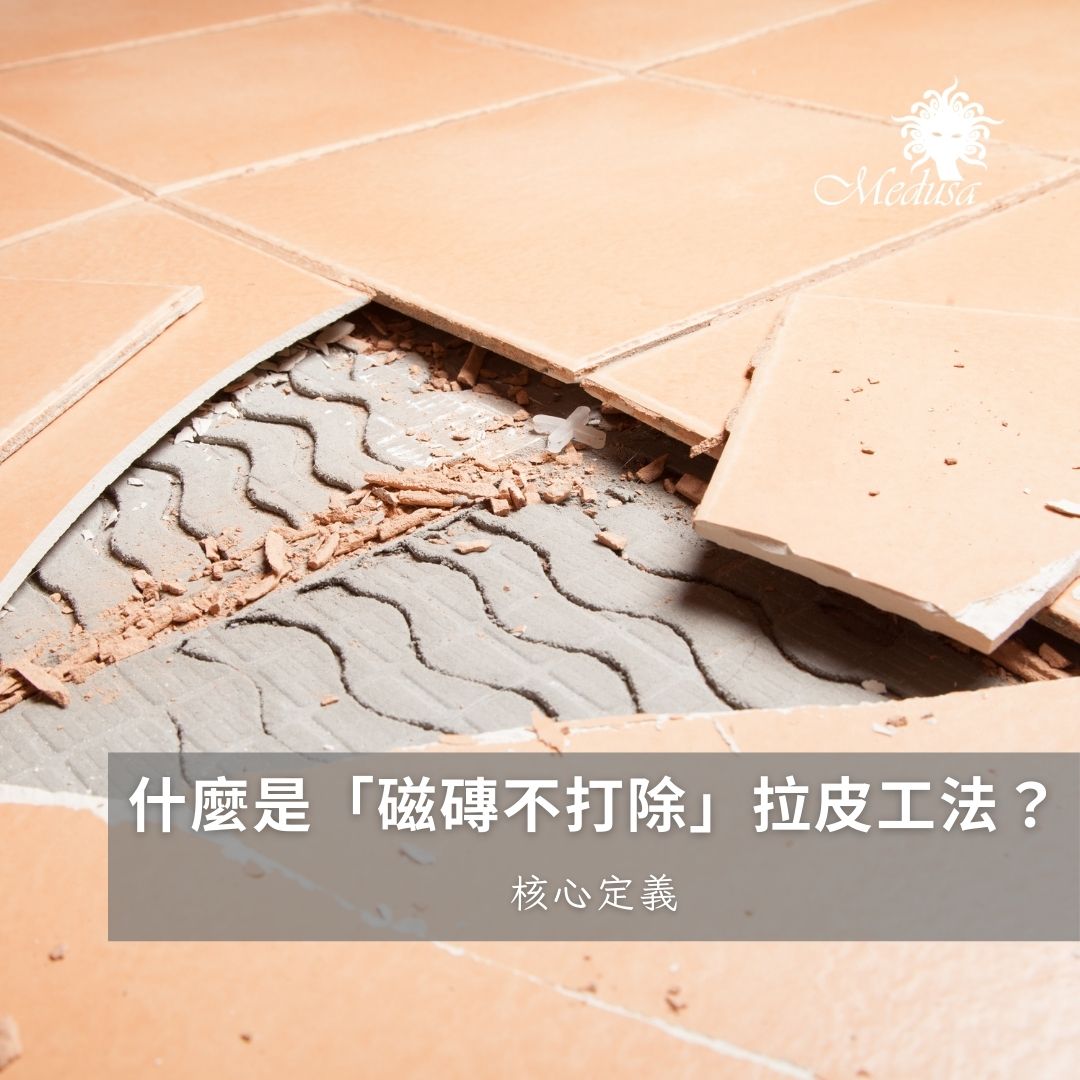
1. Core Definition: What Is a “No-Tile-Removal” Exterior Renovation?
Before discussing the technical details, we should first understand Taiwan’s building context. From the 1980s to the 2000s, many buildings used small ceramic facade tiles (such as mosaic or square tiles) as the standard exterior finish. After decades of thermal expansion/contraction and frequent earthquakes, these buildings commonly suffer from interface aging problems.
The “no-tile-removal” method is not simply a shortcut—it is a shift in thinking driven by materials science. It represents a transition from physical demolition and reconstruction to chemical modification and structural reinforcement. Originally developed from historic preservation and energy-efficiency demands in colder countries, the technology has now been adapted to Taiwan’s hot, humid, and high-salinity climate.
Table 1. System Structure Data Analysis (Translated)
|
Layer |
Recommended Material Type |
Core Function |
Key Technical Indicator |
|
1. Interface Locking Layer |
Polymer interface bonding agent |
Bridges hydrophobic tile surfaces |
Penetration depth > 2 mm |
|
2. Structural Reinforcement Layer |
Alkali-resistant fiberglass mesh |
Disperses shear force and thermal expansion stress |
Mesh tensile strength > 1200 N / 50 mm |
|
3. Waterproof & Anti-Crack Layer |
Elastic polymer mortar |
Seals pores and micro-cracks |
Elongation at break > 150% |
|
4. Decorative Weather-Resistant Layer |
Functional stone-look / silicate coating |
Aesthetics, UV resistance, self-cleaning |
Film hardness > 2H |
Traditional
exterior renovation typically follows this sequence: demolition → debris
removal → rough base treatment → plastering → retiling.
By contrast, the no-tile-removal method (Tile-Over Renovation) skips the most
labor-intensive and costly demolition stage.
Its core logic is to use polymers and anti-crack fiber reinforcement to build a new structural layer over the existing tiled surface—essentially a customized “functional protective shell” that reinforces adhesion, improves waterproofing and crack resistance, and then receives a final decorative finish such as a stone-look coating.
Section Summary
The no-tile-removal method represents a transformation in building maintenance—from destructive reconstruction to high-performance, materials-based structural enhancement. It offers a low-interference, high-efficiency renovation approach for modern urban renewal.
2. In-Depth Analysis: 5 Major Advantages of the No-Tile-Removal Method
When evaluating facade renovation methods, many owners focus only on the quotation and overlook the hidden costs. The low-frequency vibration from traditional demolition often causes neighbor disputes, resident complaints, and even legal claims. In dense residential communities, a month of demolition noise can seriously damage neighborhood relationships.
The no-tile-removal method emerged not only to improve aesthetics, but also to achieve a balance with social resilience.
Why are more architects and contractors recommending “no removal” in 2026?
1) Environmental Sustainability & Waste Reduction (ESG Trend)
With carbon fees and rising environmental awareness, construction waste disposal has become increasingly expensive. Traditional facade renovation generates significant waste per ping (坪), while the no-tile-removal method can reduce construction debris by roughly 90% or more.
This supports government green building policies and also reduces truck traffic, carbon emissions, and noise in residential areas.
2) Protects Building Structure and Reduces Neighbor Damage Disputes
Traditional demolition with power tools can cause:
- Interior cracking in neighboring units
- Pipe damage in older plumbing systems due to vibration
- Worsened leakage if the original structure is accidentally damaged during removal
The no-tile-removal method is a static construction process and causes virtually no structural vibration damage.
3) Excellent Waterproofing and Long-Term Durability
Many people assume that “not removing tiles will cause leakage.” In reality, the opposite can be true. Keeping the original tiles preserves an existing defensive layer. Combined with a multi-layer system of pore filling, surface film formation, and functional coating, the no-tile-removal system can effectively create a water-blocking path interruption, and in many cases offers longer waterproof service life than retiling.
4) Shorter Construction Time = Less Disruption to Daily Life
Traditional methods involve a long process: demolition, transport, replastering, and retiling—often taking 6 months or more. The no-tile-removal method can reduce construction time by more than one-third, shorten scaffold occupation time, and minimize disruption to residents.
5) Cost Advantage: Better Budget Allocation
Although the unit cost of interface agents and anti-crack materials is higher than standard cement materials, the method saves major costs such as:
- Demolition labor
- Waste hauling and disposal (which has risen sharply in recent years)
- Cement mortar replastering
As a result, the overall project cost is often lower than traditional demolition-and-retile methods.
Table 2. Engineering & Environmental Impact Comparison (Translated)
|
Evaluation Item |
Traditional Demolition & Retile |
No-Tile-Removal Method |
Improvement / Reduction |
|
Noise (dB) |
90–110 dB (jackhammer) |
60–70 dB (high-pressure washing) |
~35% noise reduction |
|
Waste Volume |
~50–80 kg/m² |
< 2 kg/m² |
>95% waste reduction |
|
Construction Duration |
120–180 workdays |
45–75 workdays |
~60% shorter timeline |
|
Structural Disturbance |
High vibration risk |
Static construction / near-zero vibration |
Major safety improvement |
Section Summary
This method not only greatly reduces the risk of neighbor disputes and noise pollution, but also provides significant environmental benefits by minimizing construction waste. It helps owners achieve property value enhancement and structural safety in a lower-carbon, more community-friendly way.
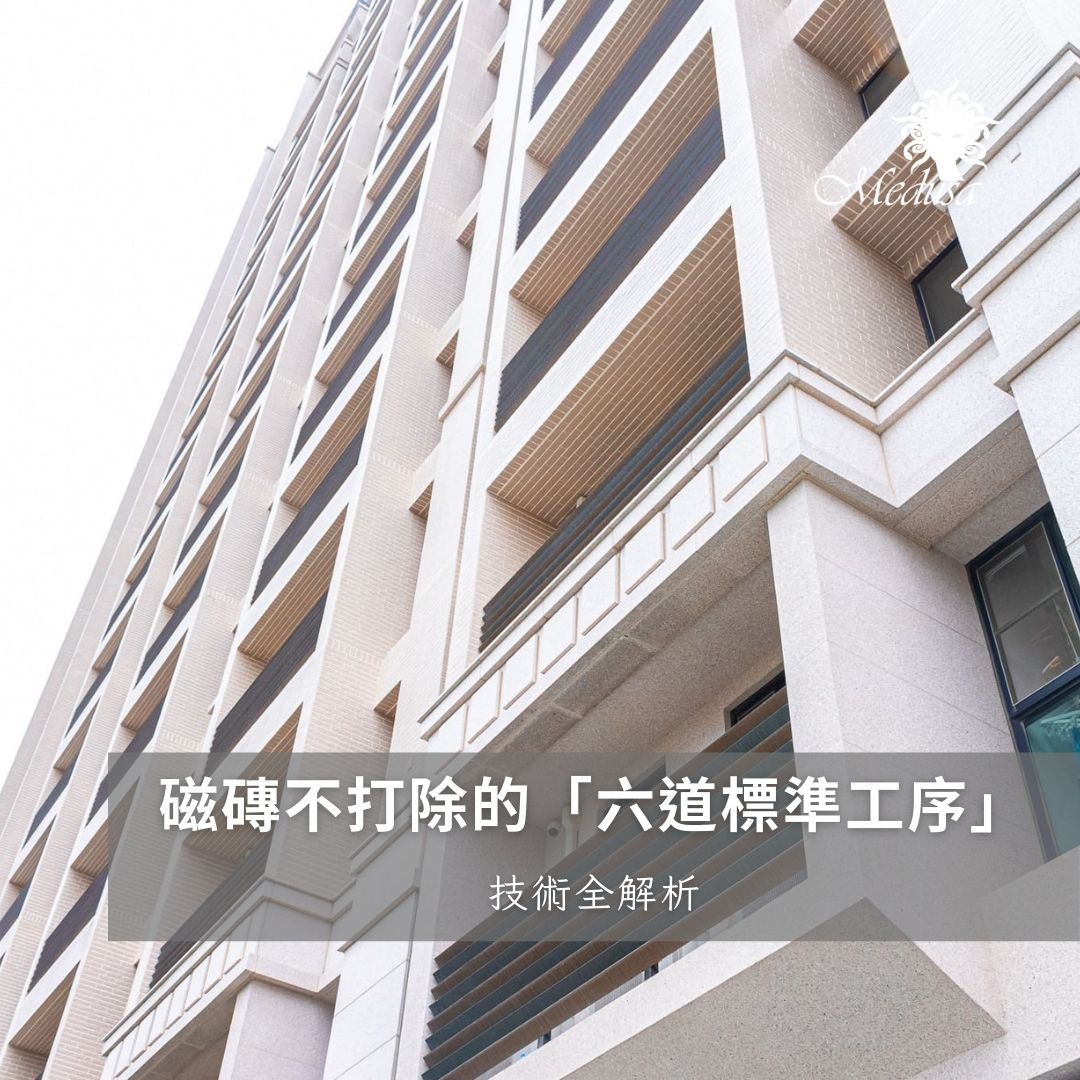
3. Full Technical Breakdown: The “Six Standard Procedures” of No-Tile-Removal Renovation
Exterior facade disputes often arise from inconsistent workmanship. In fact, the no-tile-removal method requires higher technical standards than traditional retiling. It is a systematic engineering process, not just a coating application. Each step requires strict drying intervals and material compatibility controls.
If traditional renovation is “rough construction,” then a high-quality no-removal facade renovation is more like a precision aesthetic surgical procedure for buildings.
Step 1: Exterior Wall Condition Diagnosis (Tapping Test / Thermal Imaging)
Not all tiles can be left in place. Before construction, the wall must be inspected using:
- Infrared thermal imaging, or
- Tapping tests
Handling principle: Tiles
that are severely bulging, loose, or ready to fall must still be locally
removed.
Structural reinforcement: Cracks in structural areas should be repaired
first with low-viscosity epoxy injection.
Step 2: High-Pressure Washing and Degreasing
Use high-pressure water jets above 2500 psi to thoroughly clean moss, carbonized layers, oil residue, and dirt. This step directly determines the adhesion strength of subsequent layers.
Step 3: Interface Bonding Agent (Special Tile Bonding Primer)
This is the critical step. Tile surfaces are smooth and have very low water absorption, so ordinary cement mortar cannot bond effectively. A specialized tile interface treatment agent must be applied to provide strong penetration and chemical grip, converting the old tile surface into a bondable base.
Step 4: Full-Wall Anti-Crack Mesh Reinforcement
An alkali-resistant fiberglass mesh is installed over the substrate.
- Function: Like the “tendons and bones” of the system, it helps disperse earthquake shear force and thermal expansion/contraction stress, reducing the risk of surface cracking.
Step 5: High-Performance Elastic Waterproof Mortar (Intermediate Coat)
The fiberglass mesh is embedded into a high-quality elastic mortar layer (approximately 2–3 mm thick), which serves as the primary structural reinforcement and waterproofing layer.
Step 6: Functional Decorative Spray Coat (Stone-Look / Silica-Crystal Coating)
The final step is aesthetic finishing. Modern systems often use stone-look coatings that simulate granite or marble textures while offering:
- Ultra-lightweight: Only about 1/10 the weight of real stone, reducing building load
- Weather resistance: UV-resistant and fade-resistant
- Self-cleaning properties: Rainwater helps wash away dust for a long-lasting clean appearance
Table 3. Construction Method Comparison (Translated)
|
Item |
Traditional Demolition & Retile |
No-Tile-Removal Method (Recommended) |
|
Construction Noise |
Very high (disturbs neighbors) |
Very low (mainly localized handling) |
|
Environmental Impact |
Heavy dust and construction debris |
Low dust / low carbon / low waste |
|
Construction Duration |
Long (4–6 months) |
Short (2–3 months) |
|
Structural Damage Risk |
High vibration risk |
Near-zero vibration; improves crack resistance |
|
Waterproof Durability |
Tile joints prone to leakage |
Seamless wall system with elastic waterproof layer |
|
Aesthetic Options |
Limited tile choices |
Diverse textures (stone, metallic, etc.) |
|
Maintenance Cost |
Tile falling risk remains |
Coating less likely to peel; easier maintenance |
Section Summary
These six standardized procedures are the foundation for a facade system that can withstand weathering for up to 20 years. From pressure washing and substrate preparation to anti-crack mesh reinforcement and functional topcoats, each layer must be carefully controlled to achieve durable waterproofing and aesthetic performance.
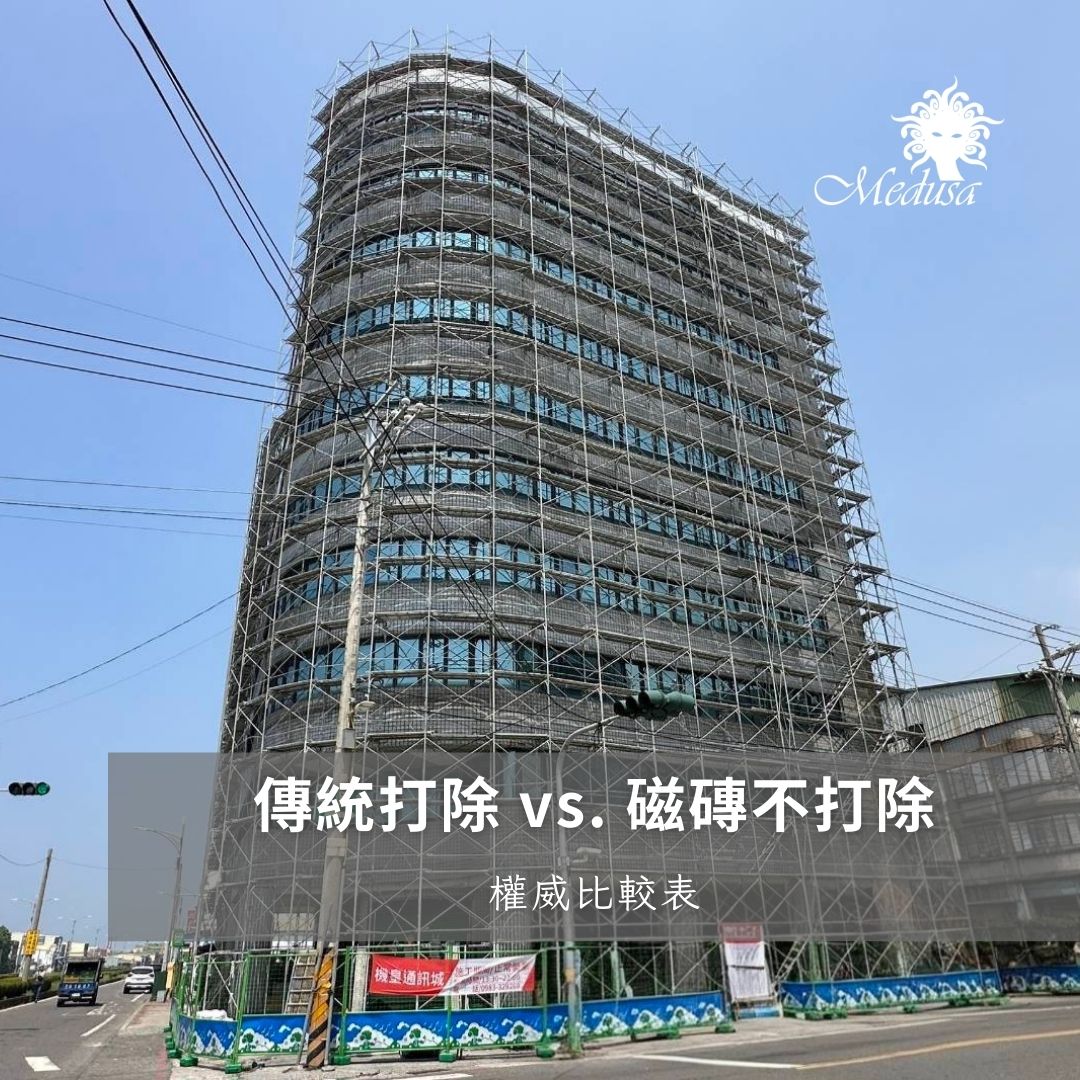
4. Side-by-Side Comparison: Traditional Demolition vs. No-Tile-Removal
When comparing methods, subjective impressions are not enough—data matters. According to laboratory pull-off adhesion tests, a professionally treated no-tile-removal coating system often achieves adhesion greater than 1.0 N/mm², significantly stronger than the weak mechanical interlock between aging tiles and deteriorated mortar.
This means that no-tile-removal is not a compromise—it is often a more scientific reinforcement strategy.
Table 4. Budget & ROI Analysis (Translated)
|
Budget Category |
Traditional Method |
No-Tile-Removal Method |
ROI Recommendation |
|
Labor Cost |
High (heavy demolition labor) |
Medium (skilled technicians) |
~20% labor cost reduction |
|
Material Cost |
Lower (cement mortar) |
Higher (polymer resins) |
Material life can be ~2× longer |
|
Fees & Disposal |
High (waste processing cost) |
Very low (minimal waste) |
~15% disposal cost savings |
|
Property Value Increase |
~10% |
~15% |
Stone-look finish may retain value better |
Section Summary
Quantitative comparison shows that no-tile-removal systems can outperform traditional retiling in adhesion strength and weather resistance. Their engineered materials and anti-crack design help solve long-standing problems such as falling tiles and wall seepage.

5. FAQ: Addressing Owners’ Deepest Concerns
During
consultations, one of the most common questions is:
“If the old material stays underneath, is it really safe?”
This reflects a natural fear of hidden problems. In reality, this concern comes from confusing “covering up” with “reinforcing and encapsulating.” What this method does is not conceal defects blindly—it applies a dual mechanism of mechanical locking and chemical bonding.
Q1: Will the old tiles really stay in place?
This is the most common concern. Old tiles fall because the cement mortar layer behind them has undergone carbonation and neutralization, causing adhesion failure.
The no-tile-removal method uses interface agents to lock the old tiles to the substrate, and the outer fiberglass mesh acts like a strong elastic “safety net” wrapping the building. Even if internal tiles develop cracks, they are far less likely to detach and fall.
Q2: Will the wall become too thick?
No. The total added thickness (base layer + anti-crack mesh + finishing coats) is generally only about 5 mm to 10 mm, which has minimal effect on window frames or balcony space.
Q3: Is it cheaper than traditional methods?
If you look only at material cost, polymer systems may seem more expensive than tiles. But once you include:
- Demolition cost
- Waste hauling cost
- Surface patching/plaster labor
- Large equipment rental (e.g., cranes/lifts)
…the total cost of the no-tile-removal method is usually lower. More importantly, it reduces the risk of neighbor damage compensation, which is a major hidden cost.
Q4: How long does it last?
With proper construction, high-quality stone-look and anti-crack coating systems on the market can achieve a weather-resistant life of 15–20 years or more. If the owner wants to change the color later, it usually only requires surface cleaning and recoating—without another major renovation.
Table 5. Durability & Physical Performance Indicators (Translated)
|
Test Item |
Reference Standard (CNS) |
Lab Result |
Long-Term Weathering Evaluation |
|
Coating Adhesion |
CNS 10757 |
> 1.0 N/mm² |
Better than typical tile bond strength |
|
Water Resistance |
CNS 10759 |
No abnormalities after 96 hours |
Effectively blocks rainwater seepage |
|
Artificial Weathering |
ASTM G154 |
No cracking after 2000 hours |
Equivalent to approx. 15–20 years in real conditions |
|
Tensile Strength |
CNS 8644 |
> 3.5 kgf/cm² |
Can absorb minor seismic shear stress |
Section Summary
Scientific analogies and long-term test data help address owners’ concerns about encapsulating old materials. When internal hollow/loose areas are properly treated, a composite reinforcement system can provide stronger pull-off strength and safety than tiles alone, significantly reducing the public safety risk of falling facade materials.
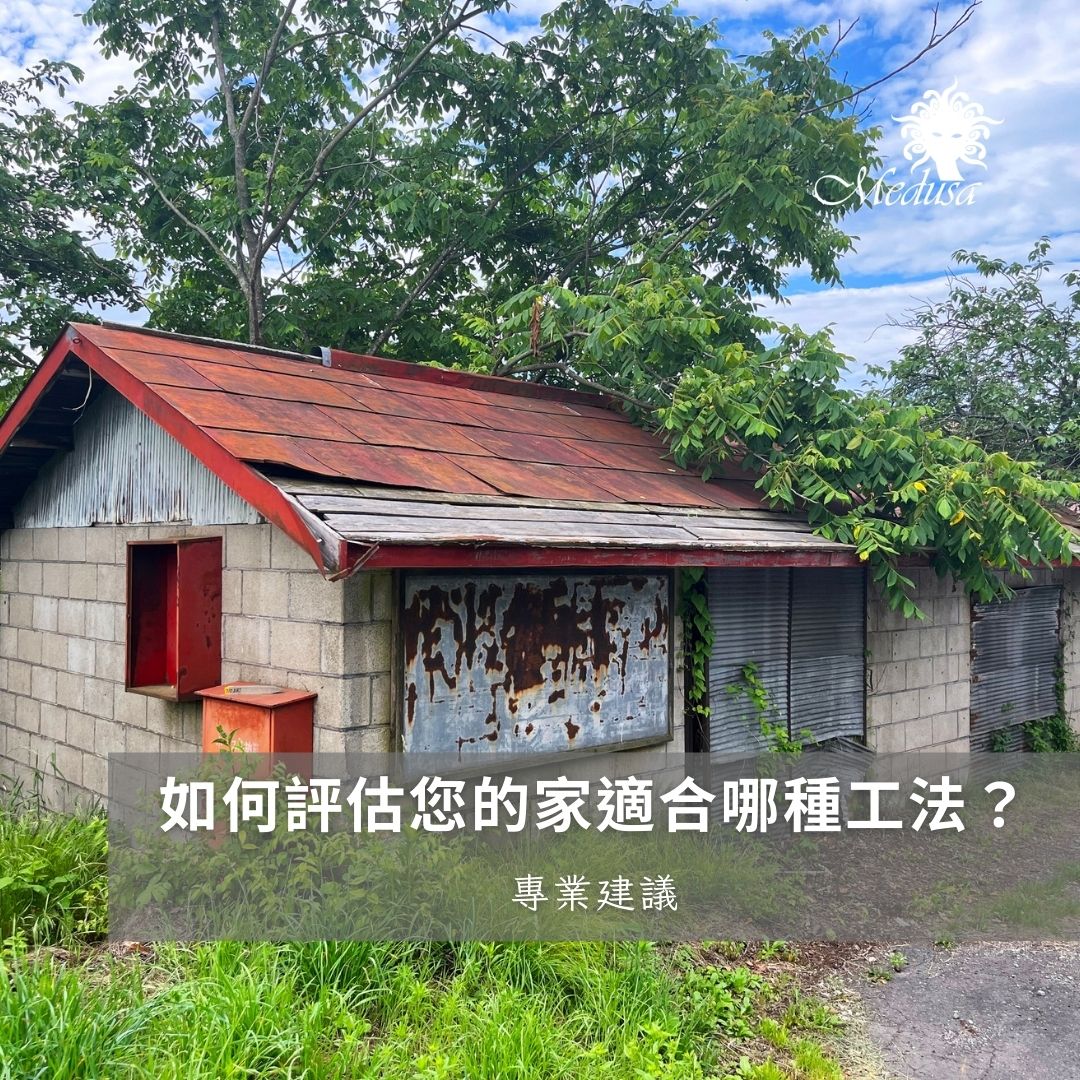
6. Professional Advice: How to Assess Which Method Is Right for Your Building
Not every exterior coating project qualifies as a true “old house facade renovation.” Some low-price market options simply spray cheap paint over existing tiles and market it as “no-removal renovation,” which is why many projects start blistering and peeling again within 3–5 years.
A professional evaluation should look beyond immediate appearance and confirm whether the system provides a complete three-in-one performance package: anti-crack + waterproofing + weather resistance.
Not every building is a perfect candidate for the no-tile-removal method. Special attention is needed in the following cases:
-
Severe
structural spalling
If reinforcement bars inside the wall have rusted and expanded (e.g., severe water damage or “sea sand building” conditions), structural derusting and reinforcement must be completed first. -
Large-area
hollow tiles
If more than 50% of the tiles have separated from the substrate, partial demolition is still recommended. -
Budget
vs. aesthetic expectations
If the desired finish is a premium seamless luxury appearance, a no-tile-removal system combined with stone-look coating often delivers a more elegant result than traditional small-format tiles.
Section Summary
A successful facade renovation starts with accurate diagnosis. Owners should avoid low-cost superficial treatments and instead focus on the contractor’s technical capability in details such as edge finishing, window frame waterproofing, and structural crack reinforcement. Only a professional team with a complete system and disciplined site management can ensure long-term asset protection and residential safety.
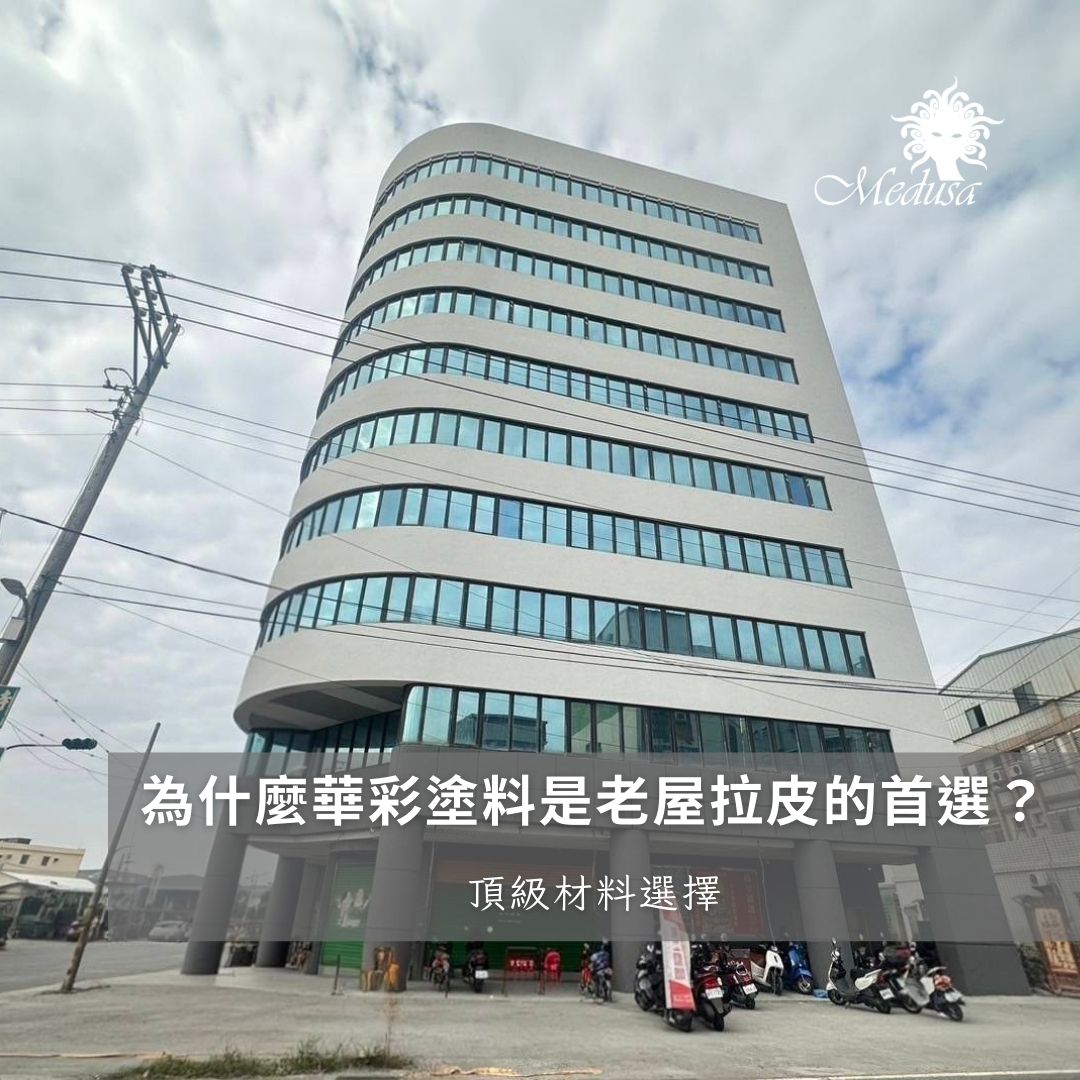
7. Premium Material Selection: Why Hua tsai (Hua Tsai) Paint Is a Top Choice for Old House Exterior Renovation
The success or failure of an old house facade renovation depends not only on the method, but also on the chemical performance of the materials. In a no-tile-removal system, we recommend Hua tsai (Hua Tsai) Paint as a core material supplier. Its i-Waterproof and i-Recycled series directly address the most difficult issues in old buildings: water seepage, weathering, and aesthetic durability.
1) i-Waterproof Additive: Blocking Leakage Paths at the Source
Traditional waterproofing often relies only on surface film formation. Hua tsai’s i-Waterproof system is a high-penetration additive with chemical modification capability. It can penetrate tile joints and the micro-pores of the cement mortar base layer, re-densifying and improving the internal structure. This invisible protective network helps achieve a “water-path cutoff” effect even without removing tiles, reducing long-term leakage and wall dampness risks.
2) i-Recycled Multicolor Stone-Texture Coating: Premium Aesthetics + Sustainability
Once the building’s safety foundation is stabilized, the exterior appearance can be upgraded with i-Recycled Multicolor Stone-Texture Coating. This product simulates the layered depth of natural stone and offers the following advantages:
- Ultra-lightweight: Unlike dry-hung stone systems that add structural load, this coating creates a granite-like appearance with only a thin layer, reducing weight on older buildings.
- Circular economy value: Incorporates recycled-material concepts to align with low-carbon and green building trends.
- Self-cleaning / stain resistance: Polymer surface characteristics help reduce dust adhesion and allow rainwater rinsing to refresh the facade appearance.
Table 6. Hua tsai Paint vs. General Market Coatings (Translated)
|
Evaluation Item |
Hua tsai i-Waterproof / i-Recycled System |
Typical Market Exterior Coating |
Practical Benefit |
Data / Standard Notes |
|
Waterproof Penetration Depth |
≥ 5 mm deep sealing |
< 1 mm surface coating |
~5× greater waterproof stability |
Strong water-pressure resistance |
|
Texture Realism |
>95% natural stone simulation |
~60% (heavier pigment look) |
Significant upgrade in facade quality |
Uniform multicolor particle distribution |
|
Coating Elongation |
>250% (high elasticity) |
<100% |
Better crack bridging performance |
Better thermal expansion/contraction resistance |
|
Environmental Indicator |
Low VOCs / recycled content |
Higher volatile chemical content |
Better ESG procurement compatibility |
Environmental certification-friendly |
Section Summary
Choosing Hua tsai Paint is not just choosing an exterior beautification product—it is choosing a long-term structural and weather-protection strategy. With deep-penetration waterproof defense and durable stone-texture aesthetics, the no-tile-removal system can achieve a higher standard of green renovation while supporting both energy-saving goals and property value appreciation.
Contact Information (English)
- Phone: +886-7-365-6297
- Address: No. 4, East 3rd Street, Nanzih Export Processing Zone, Kaohsiung City, Taiwan
- Website: https://reurl.cc/MzRe4X
- Line: https://reurl.cc/KOoYVq
Further Reading
