



Roof Waterproofing Guide Top 5 Materials, 5-Step Process & Cost Breakdown (2025 Update)
Key points to quickly review:
1. The importance of roof waterproofing
2. Five common waterproofing materials: including acrylic waterproof paint, penetrating crystallizer, elastic cement, and mineral-based waterproof coatings, with a comparison of their advantages and disadvantages.
3. Five-step construction process for roof waterproofing
4. Roof waterproofing price reference: Approximately NT$1,000 to NT$20,000 per ping (3.3 square meters) depending on the construction method, with detailed breakdown of various project costs and influencing factors.
5. Waterproofing maintenance and lifespan
6. Frequently Asked Questions (Q&A): Explanation of construction time, service life, DIY feasibility, and precautions.
7. Recommended brand: Hua tsai Coatings' "Inorganic Crystalline Mineral Insulation and Waterproofing Material," which combines waterproofing, heat insulation, and self-cleaning functions, making it the best choice for roof insulation and waterproofing.
1. The importance of roof waterproofing
2. Five common waterproofing materials: including acrylic waterproof paint, penetrating crystallizer, elastic cement, and mineral-based waterproof coatings, with a comparison of their advantages and disadvantages.
3. Five-step construction process for roof waterproofing
4. Roof waterproofing price reference: Approximately NT$1,000 to NT$20,000 per ping (3.3 square meters) depending on the construction method, with detailed breakdown of various project costs and influencing factors.
5. Waterproofing maintenance and lifespan
6. Frequently Asked Questions (Q&A): Explanation of construction time, service life, DIY feasibility, and precautions.
7. Recommended brand: Hua tsai Coatings' "Inorganic Crystalline Mineral Insulation and Waterproofing Material," which combines waterproofing, heat insulation, and self-cleaning functions, making it the best choice for roof insulation and waterproofing.
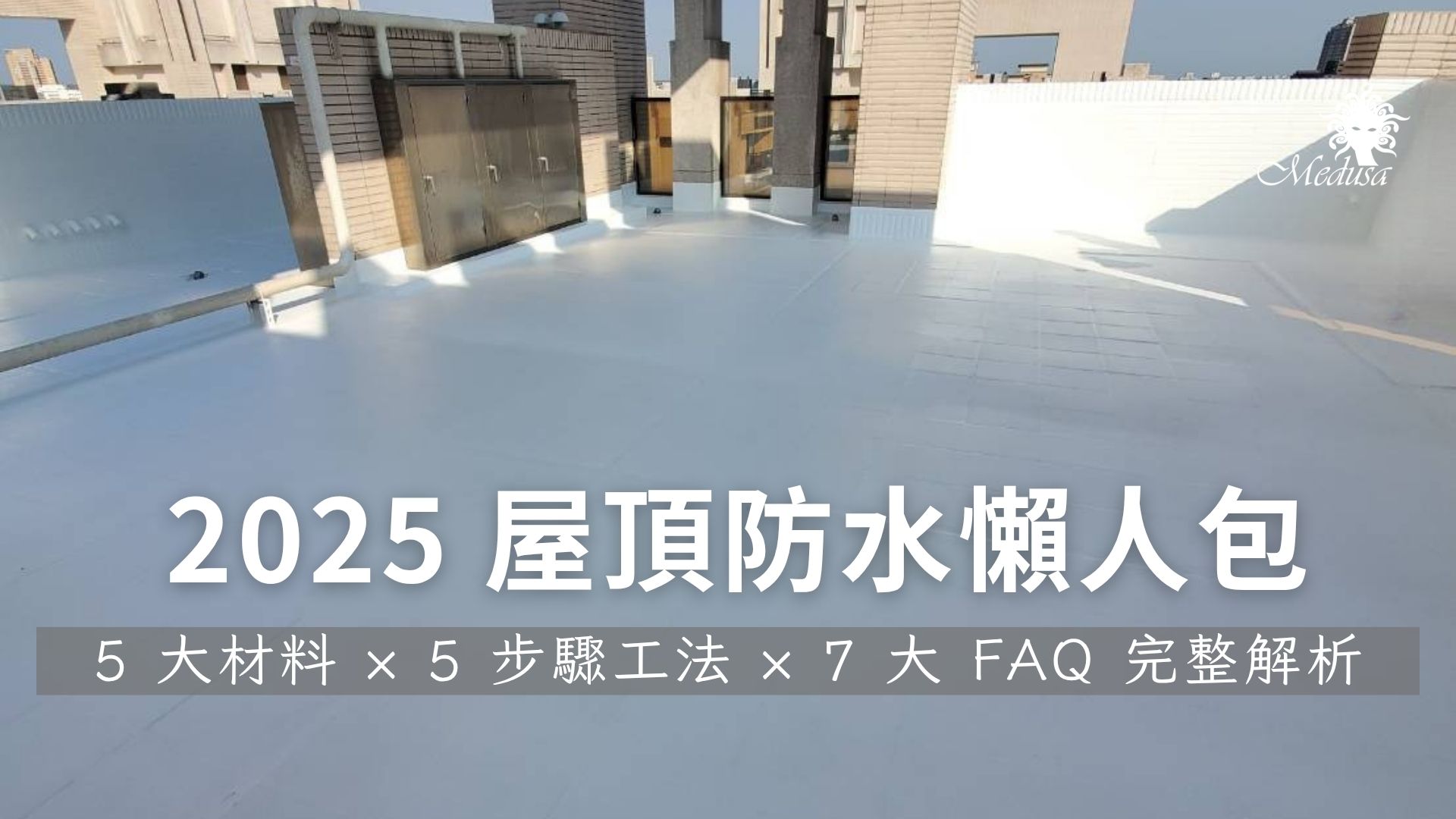
2025 Roof Waterproofing Quick Guide: "5 Essential Materials × 5 Steps × 7 FAQs"
Have you ever noticed water seepage on your roof, water stains on your ceiling, or mold growth on your walls during the rainy season or typhoon season?
In fact, almost all of these problems are related to "aging roof waterproofing." The top floor is the most directly exposed part of a building. Under years of sun and rain, if proper waterproofing is not done, moisture seeps in, affecting not only the aesthetics but also potentially damaging the structural integrity.
Four Core Benefits of Waterproofing:
• Reduced Leaks and Mold: Forms a highly effective waterproof barrier, preventing rainwater and moisture from seeping in, effectively preventing roof leaks, wall mold, and other problems, maintaining the building's appearance and structural stability.
• Prevention is Better than Cure, Saving on Leak Repair Costs: Proactive protection is better than reactive remediation, reducing the high maintenance costs associated with repeated repairs and repainting, resulting in longer-term economic benefits.
• Enhanced Building Structural Durability and Safety: Effectively prevents moisture from corroding reinforced concrete structures, delaying aging and corrosion, extending overall durability, and ensuring safe living and use.
• Maintaining a Healthy and Toxic Home Environment: Keeps indoor spaces dry and prevents mold growth and air quality deterioration, creating a healthy and safe living space.
This article will provide a comprehensive analysis of the importance of roof waterproofing, common materials, construction process, price range, and maintenance suggestions. Finally, it will recommend a new generation of waterproofing products that can simultaneously achieve "waterproofing × heat insulation × energy saving"—Hua tsai Coatings Inorganic Crystal Mineral Insulation Waterproofing Material.
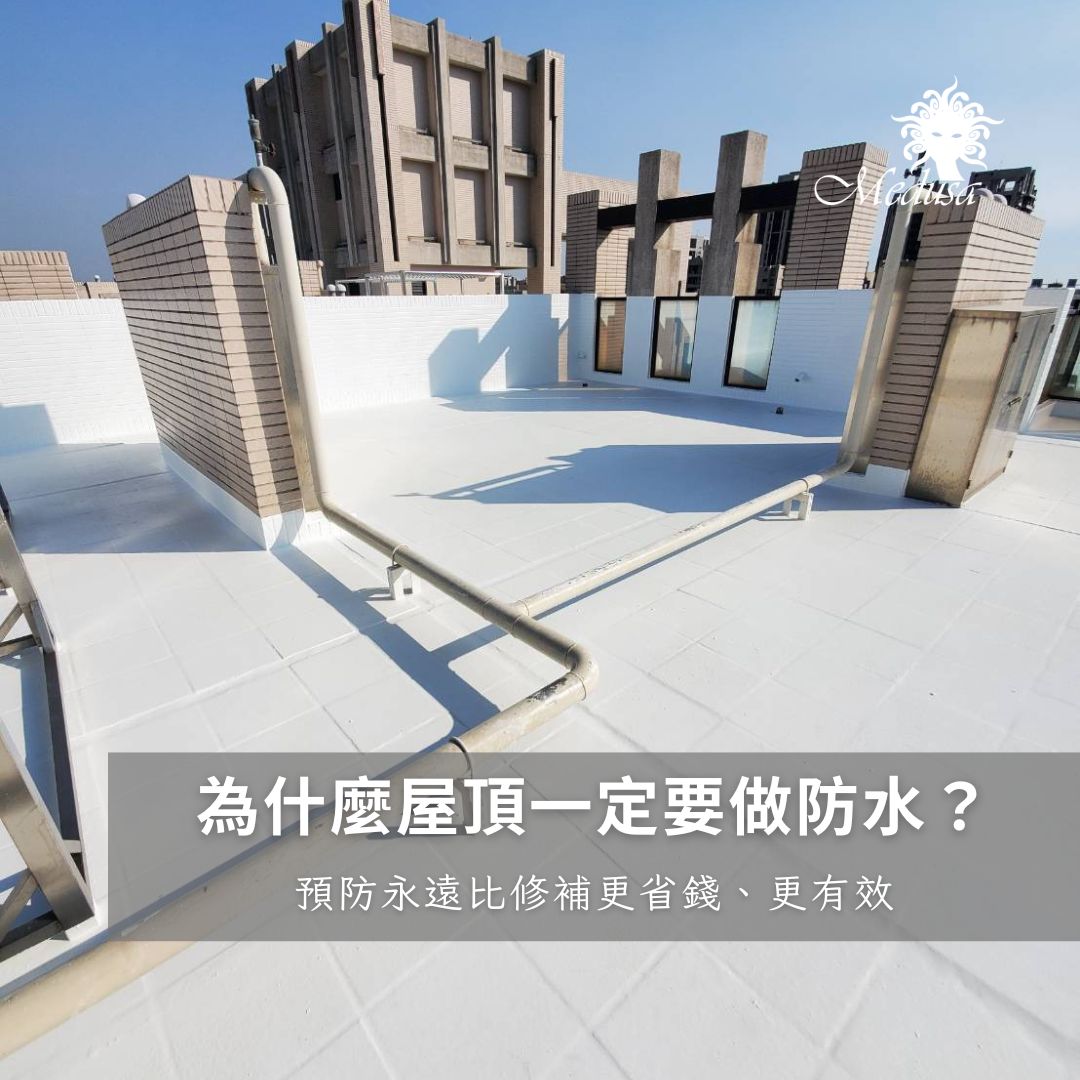
【Why is waterproofing essential for roofs?】
Taiwan has a subtropical island climate, experiencing hot and humid conditions for more than a third of the year. Scorching summer sun, damp and cold winters, and heavy rainfall from the plum rain season and typhoons all place the roof waterproofing layer under constant pressure.
Without regular maintenance or proper waterproofing, common problems include:
- Roof leaks cause ceiling bubbling and paint peeling.
- Walls develop mold, powdering, and flaking.
- Wooden furniture and cabinets become damp and moldy.
- Reinforcing steel corrodes and concrete peels, causing structural deterioration.
Once the leak problem continues to worsen, it often requires expensive repair and reconstruction work. Therefore, prevention is always cheaper and more effective than repair.
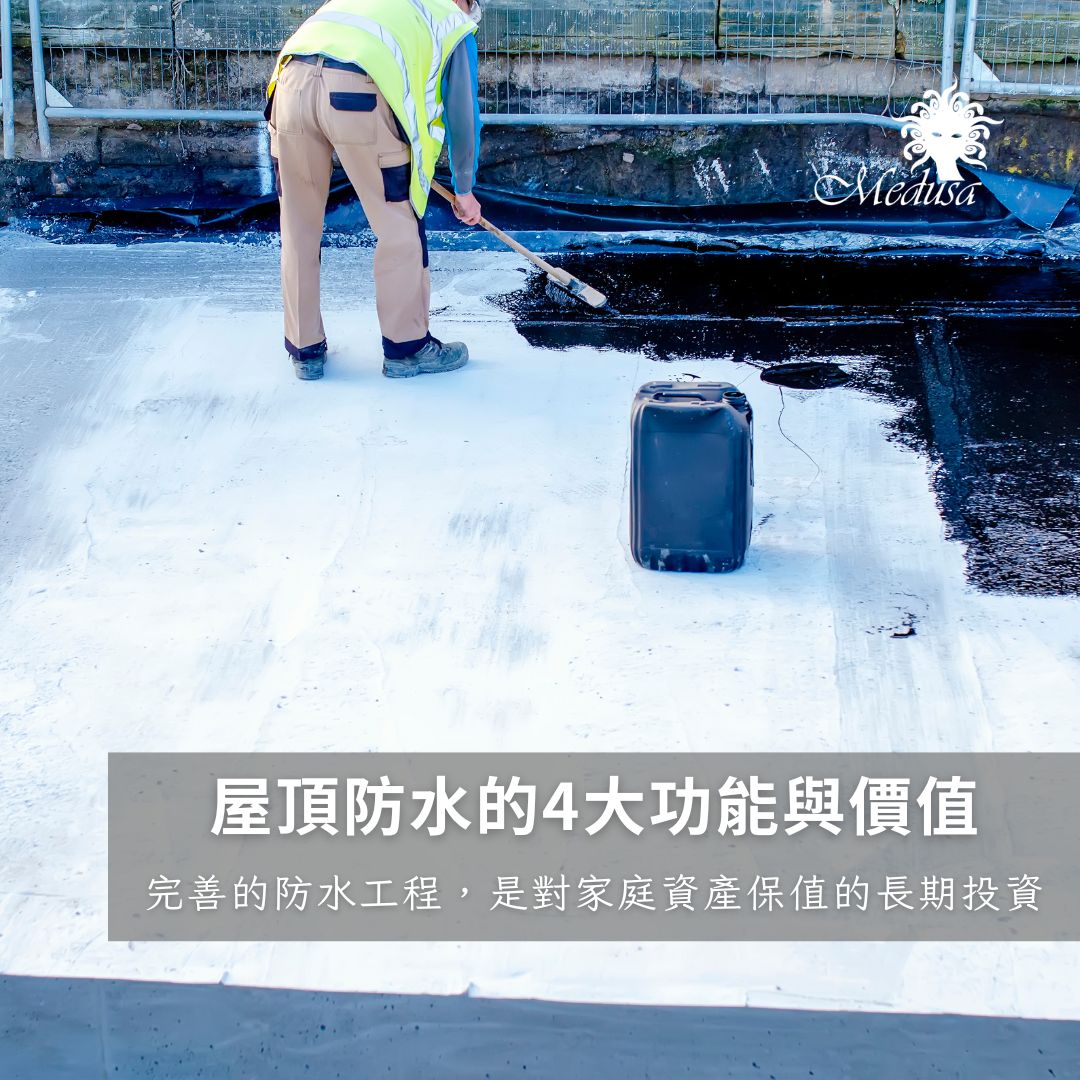
【The 4 main functions and benefits of roof waterproofing】
1. Prevents leaks and mold: A waterproof layer prevents rainwater and moisture from seeping into the building structure, effectively preventing mold and mildew problems caused by moisture.
2.Saves on future repair costs: Preventing leaks in advance is more time-saving and cost-effective than repeated repairs later.
3.Maintains a healthy living environment: Prevents mold growth and damp odors, keeping your living space dry and comfortable.
4.Extends building lifespan: Prevents corrosion and spalling of steel reinforcement in concrete, ensuring structural safety and durability.
A well-designed roof waterproofing project is more than just a "waterproofing project"; it's a long-term investment in your family's safety and asset preservation.

【What are the types of waterproof materials? A look at 5 main types.】
Waterproofing materials, based on their working principle and application location, can generally be divided into five categories:
1. Coating-type Waterproofing Materials
Film-type waterproofing materials are the final crucial step in waterproofing projects. The application method is similar to painting, and they can be directly applied to the building surface. After the coating dries, it forms a dense and elastic waterproof membrane, effectively blocking moisture and seepage.
Common types:
- Acrylic waterproofing adhesive: So-called waterproof paint is actually acrylic waterproofing adhesive, with acrylic resin as the main raw material. It's affordable and easy to apply, making it a common choice for many homeowners when doing DIY waterproofing. However, the waterproofing effect of this type of coating is relatively short-lived; cracking or aging may appear after about 3-5 years, requiring repainting. It's easy to apply, low-cost, and suitable for DIY, but its weather resistance is poor, requiring recoating every 3-5 years.
- PU (Polyurethane) waterproofing material:Highly elastic and with strong adhesion, it effectively resists cracking and water seepage, but the substrate must be dry and flat during application. Compared to traditional acrylic waterproofing adhesives (waterproof paints), PU (Polyurethane) waterproof coatings offer superior waterproofing performance and flexibility. Their coating film possesses excellent elasticity and weather resistance, effectively resisting cracking and water seepage caused by long-term exposure to sunlight and rain on roofs or balconies, thus typically having a service life of 8-10 years or more.
However, PU waterproofing materials have relatively strict requirements for construction conditions. If the substrate is not sufficiently leveled or if moisture or dust remains on the surface, the coating will not be able to adhere completely to the ground or wall, and may bulge, peel, or crack due to thermal expansion and contraction in the future.
2. Penetrating crystalline waterproofing material
These materials can penetrate into the capillary pores of concrete, react with the internal components of cement to form insoluble crystals, and seal the pores to achieve waterproofing.
Representative product: Portland Cement
Advantages: Long-lasting waterproofing, no peeling;
Disadvantages: Cannot improve surface cracks or imperfections, typically used for structural reinforcement or wall blemish repair.
Penetrating crystalline waterproofing material is an inorganic waterproofing material with self-healing capabilities. During construction, simply apply the waterproofing material evenly to the wall or concrete surface. Its active ingredients will penetrate into the capillary pores inside the building material, reacting chemically with moisture, calcium hydroxide, and other components to form water-insoluble crystals (crystalline salts). These micro-crystals actively fill the capillaries and micro-cracks inside the building material, forming an internal waterproof barrier that effectively prevents water vapor penetration.
Unlike coatings that form a waterproof membrane on the surface, penetrating crystalline waterproofing materials provide waterproofing "from the inside out".
Commonly used materials, such as Portland Cement, are typical permeable crystalline waterproofing materials. They are widely used in areas such as wall seepage repair, cancer prevention, and waterproofing of basements and sinks. They have the advantages of durability, environmental friendliness, and low maintenance costs.
3. Laying-type waterproofing materials
Commonly used in large areas such as rooftops or atriums, this type of construction requires a professional team.
Common materials:
- Fiberglass cloth: Resistant to tension and aging, but with low elongation.
- Waterproof blankets (such as APP or SBS rolls): Multi-layered structure providing waterproofing, heat insulation, and rust prevention; high weather resistance; lifespan of over 8 years.
4. Sandwich-Type Waterproofing Materials
This type of waterproofing material forms a layer between the base layer and the surface layer, and can be used with tiles or flooring.
As the name suggests, sandwich-type waterproofing materials are a waterproofing method where the waterproofing layer is "sandwiched" between the building structure and the surface decoration. During construction, a base treatment layer is first applied to the substrate, followed by a layer of sandwich-type waterproofing material.
Common Materials:
Elastic Cement: It bonds tightly to cement surfaces, suitable for semi-exposed spaces such as bathrooms and balconies.
Elastic cement is a waterproofing material composed of cement, polymer resin latex, fine sand, and waterproofing additives. The coating has high adhesion and slight elasticity, resisting micro-cracks in the building and temperature changes. Tiles can be directly applied to its surface, making it ideal for roofs, balconies, bathrooms, kitchen walls and floors. However, because it is not resistant to long-term exposure to sunlight and ultraviolet radiation, it is recommended to cover it with a finishing layer or protective layer after application.
Rubberized Asphalt (Emulsified Asphalt): Low cost and quick construction, but prone to aging and embrittlement under prolonged exposure to sunlight.
Rubberized asphalt is a mixture of asphalt, emulsifier, and water, commonly known as "black glue" or "emulsified asphalt." It is easy to apply, has excellent penetration, and can quickly seal cracks and pores. However, its waterproofing effect is moderate to weak, and its weather resistance is limited. It is more suitable for localized repairs, base layer protection, or temporary waterproofing treatments, and is not recommended for large-area application as the primary waterproofing layer.
5. Sealing and Filling Waterproofing Materials
Sealing and filling waterproofing materials are used for sealing cracks and joints. These materials are essential in waterproofing projects, primarily functioning to seal gaps and cracks in the building structure and to finish edges, ensuring the integrity and seal of the overall waterproofing system. They are commonly used in areas prone to water seepage, such as wall corners, drainage holes, expansion joints, window frames, and pipe penetrations.
These materials possess high adhesion, elasticity, and weather resistance, allowing for slight expansion and contraction with building temperature changes, making them less prone to cracking due to deformation. During construction, they are typically used in conjunction with the main waterproofing layer (such as PU waterproofing, elastic cement, or penetrating crystalline waterproofing materials) to strengthen edge sealing and detail reinforcement, preventing water seepage into the wall through joints.
Common Materials:
- Waterproof Silicone: Excellent adhesion, high elasticity, neutral type is the most common.
- PU Sealant: Can be painted, strong color hiding power, but may discolor with prolonged exposure to sunlight.
6. Inorganic Crystalline Mineral Waterproofing Material
A comprehensive building protection coating combining waterproofing and thermal insulation
Inorganic crystalline mineral waterproofing and thermal insulation material is a new generation of building waterproofing coating made with a pure water-based inorganic cement-based formula. It combines waterproofing mechanisms with highly efficient thermal insulation and reflective properties. Its core technology can penetrate deep into the capillary pores of concrete, actively sealing water seepage channels, while forming a highly reflective thermal insulation film on the surface, achieving a three-in-one building protection solution of "waterproofing × thermal insulation × sustainability".
Unlike traditional PU or acrylic waterproofing materials, inorganic crystalline mineral waterproofing coating uses a solvent-free, low-VOC formula. The construction process is environmentally friendly and odorless. It not only effectively blocks water vapor from penetrating the wall structure and prevents roof leaks, but also reduces heat absorption on the roof surface, slowing down the rise in indoor temperature and achieving energy-saving and cooling effects.
Comparison Table of Waterproofing Material Types (Table 1)
|
Types of Waterproofing Materials |
Advantages |
Disadvantages |
|
Coating Type (PU, Acrylic) |
Easy to apply, low cost |
Susceptible to UV rays, prone to aging and cracking, requires regular maintenance |
|
Penetrating Crystallization |
Penetrates and seals pores, does not peel off |
Not suitable for surface finishing |
|
Layer Type (Waterproof Blanket) |
Strong waterproofing, high weather resistance |
High cost, requires professional application |
|
Layer Type (Elastic Cement) |
Can be tiled, high aesthetic appeal |
Not resistant to prolonged sunlight |
|
Filling Type (Silicone, PU Adhesive) |
Flexible edge finishing, wide application |
Some materials cannot be painted, only suitable for localized application, not for large-area coating |
|
Crystal Mineral Waterproofing Materials |
Pure water-based cement-based mineral material, also has heat insulation function, long lifespan, not limited to substrate material, can be DIY applied, achieving a three-in-one building protection solution of "waterproofing × heat insulation × sustainability" |
Requires correct construction procedures |
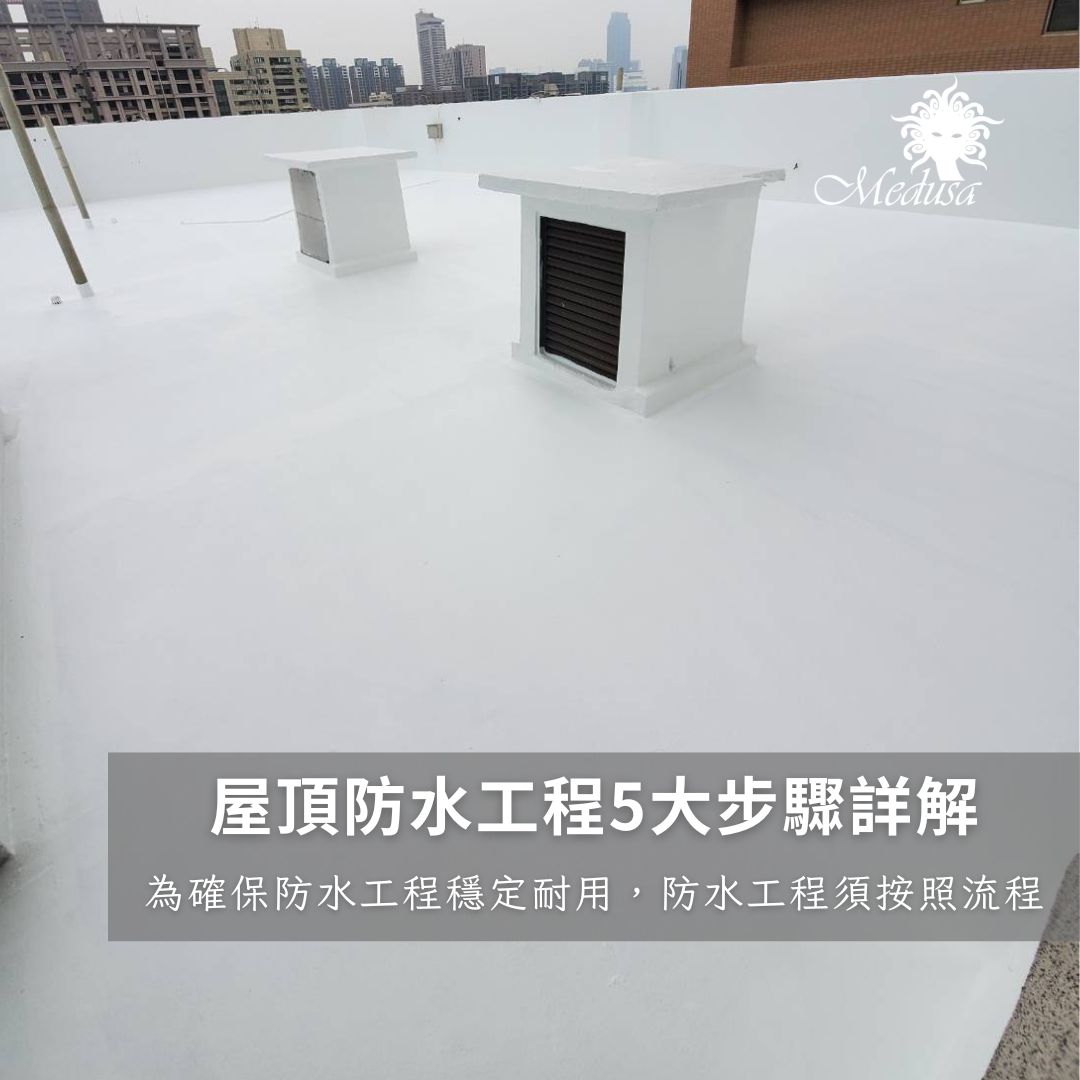
【Detailed Explanation of 5 Steps in Roof Waterproofing】
To ensure the stability and durability of waterproofing projects, after introducing common waterproofing materials, this section will explain the following steps that must be completed in sequence for a waterproofing project:
Step 1: Substrate Preparation
Before construction, remove any existing waterproofing layer or impurities to ensure a smooth and clean surface. If there is standing water or insufficient drainage slope on the roof, the drainage design must be improved simultaneously.
Step 2: Filling Gaps
Inspect corners, expansion joints, and drainage hole edges. Reinforce with waterproof silicone or PU sealant to prevent seepage points from becoming future leaks.
Step 3: Applying Primer
Use a penetrating waterproof primer to seal pores and enhance adhesion, also preventing the expansion of capillary cracks in the concrete.
Step 4: Applying Roof Insulation Paint
Depending on the material chosen, methods such as "film-type," "waterproof blanket," "layer-type," and "crystalline mineral-based waterproofing material" can be used.
Step 5: Water Test
After sealing the drainage holes, fill with water and observe for at least 24 hours. If no leakage is found, it is considered合格 (qualified). If leakage is found, it must be repaired immediately.

【Analysis of Roof Waterproofing Prices and Costs】
Many people are curious about the cost. There's no fixed price for roof waterproofing; it varies depending on the materials, area, construction methods, and region. The following are general market reference prices; actual quotes must be obtained from the manufacturer:
Comparison of Roof Waterproofing Prices (Table 2)
|
Construction Items |
Price Range (NT$/ping) |
|
Substrate remediation |
1,500–3,000 |
|
Drainage slope adjustment |
4,500–6,500 |
|
Waterproof paint (acrylic) |
1,000–2,000 |
|
Elastic cement |
2,000–3,500 |
|
PU waterproof layer |
1,500–3,500 |
|
Waterproof blanket |
15,000–25,000 |
|
Fiberglass mesh |
15,000–20,000 |
|
Crystal-based waterproofing material |
3,500~4,500 |
Five key factors influencing costs:
1. Size of the construction area: The larger the area, the higher the cost.
2. Material and construction method selection: Prices vary significantly from DIY to professional levels.
3. Construction difficulty: Roof shape, drainage system, and substrate condition.
4. Location and labor costs: Prices are slightly higher in urban areas.
5. Additional work: Such as crack repair, tile removal, and repaving.
Professional advice: Waterproofing is a "you get what you pay for" project. Don't be tempted by cheap construction methods or substandard coatings; otherwise, the chances of needing to redo the work within three years are extremely high.

【Common FAQs about roof waterproofing: construction period, service life, DIY, precautions】
Q1: How long does roof waterproofing take?
Generally, it takes about 3-5 days to complete, and about 1-2 weeks including testing and acceptance. This will be delayed if it rains.
Q2: How often should it be redone?
Depending on the material:
Waterproof paint: needs repainting every 3-5 years.
Elastic cement: about 8-10 years.
Crystal-based waterproof coating or high-weather-resistant coating: can last over 10 years.
It is recommended to check the roof condition every 1-2 years to extend the life of the waterproof layer.
Q3: Can I DIY?
For small leaks or balcony corners, you can apply waterproof paint yourself; however, for the entire roof or a paving method, it is recommended to hire a professional team.
Q4: What should I pay attention to before construction?
Ensure the surface is clean, free of oil stains and standing water; seal the gaps at wall corners and drains first.
Q5: How do I determine if the roof needs to be waterproofed again?
The following signs indicate that the waterproofing layer may be aging or damaged:
Cracks, blistering, efflorescence, and powdering on the roof surface.
Mold, peeling, and mildew on the walls.
Water accumulation on the roof after rain, indicating insufficient slope or blocked drainage.
Water seepage, spots, and roof leaks from the ceiling.
The waterproofing layer has exceeded its service life (3-10 years).
If any of the above conditions occur, it is recommended to inspect and re-apply waterproofing as soon as possible to avoid structural damage.
Q6: Is there a warranty for rooftop waterproofing? How long is the warranty period?
General price ranges are as follows:
Waterproof paint: 1-3 year warranty
PU, waterproof cement: 3-5 year warranty
Waterproof blanket/roll material: 5-8 year warranty
Crystal mineral-based/high weather-resistant waterproof material: 5-8 years or more warranty
Warranty coverage typically includes:
✔ Leakage improvement
✔ Reinforcement and repair
But excludes:
✘ Damage caused by natural disasters
✘ Leaks caused by structural cracks
✘ Failure to maintain proper drainage
Q7: How to judge the large differences in roof waterproofing costs? Are you most afraid of being tempted by low prices?
The biggest reasons for price differences are:
Different material grades (significant difference between cheap and high weather-resistant coatings)
Different construction methods (waterproof paint vs. waterproof blankets)
Whether it includes subsurface repair and crack reinforcement
The professionalism and experience of the construction team
⚠ What you can save is not wages, but future maintenance costs.
Low-priced waterproofing usually has a short lifespan, often starting to leak after 2-3 years, and ultimately becoming more expensive over time.
Recommended choices:
✔ Transparent pricing
✔ Complete construction process
✔ Use of highly weather-resistant coatings
✔ A team with warranty and after-sales support
These are the keys to truly preventing future leaks.

【Roof Waterproofing Recommendation: Hua tsai Coatings' "Inorganic Crystal Mineral Thermal Insulation and Waterproofing Material】
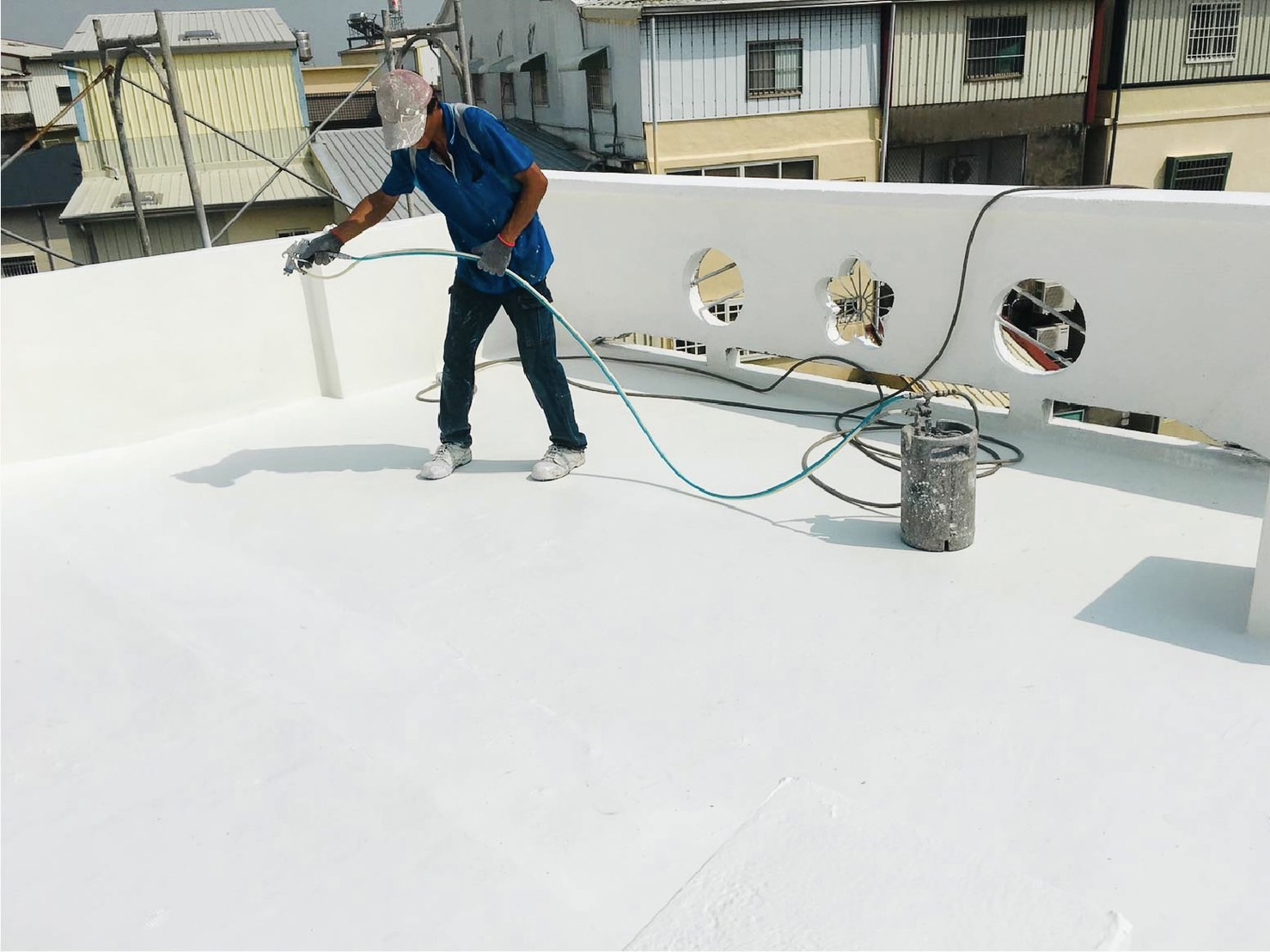
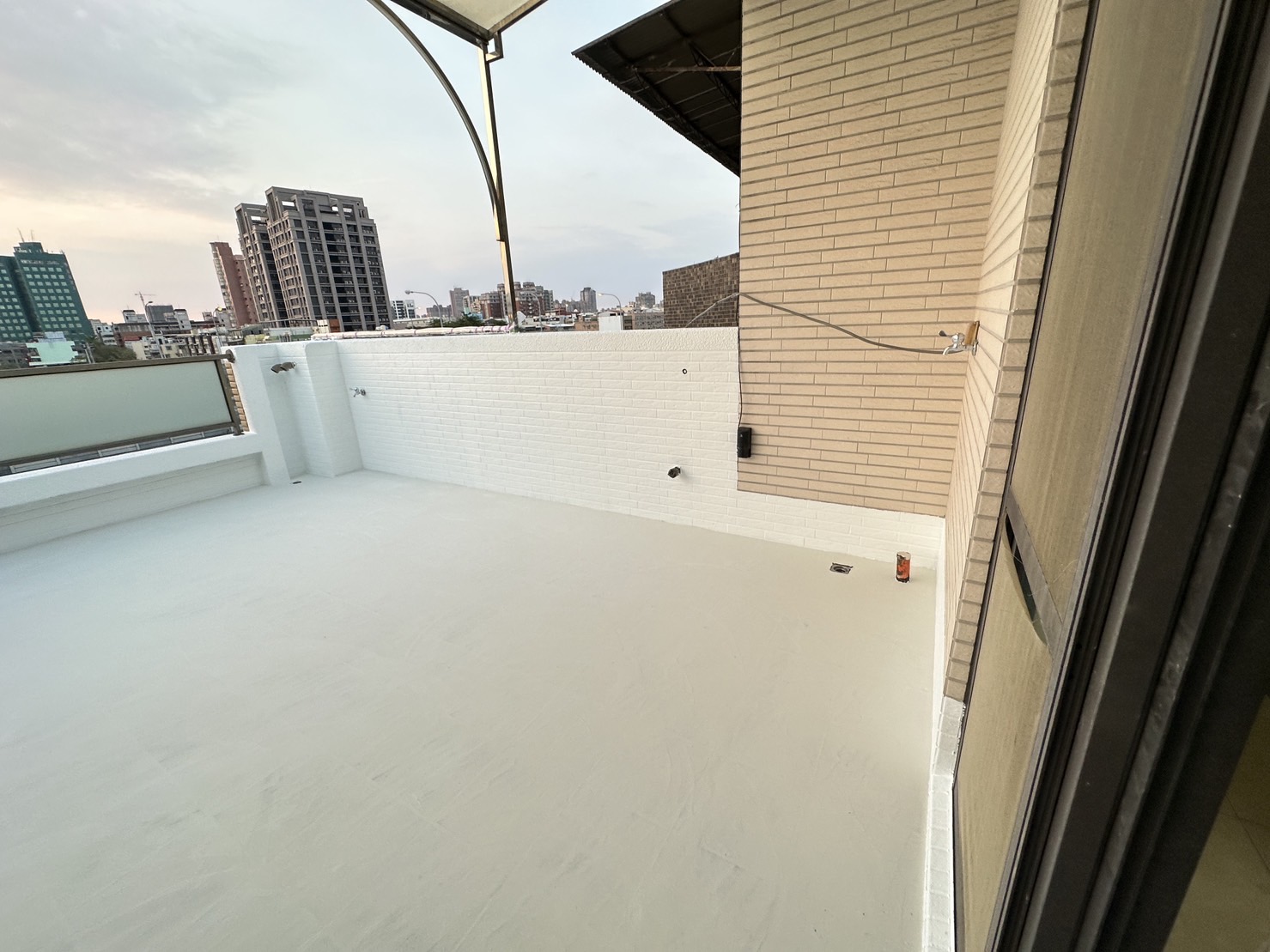
After learning about various waterproofing materials, if you want to achieve multiple effects such as waterproofing, heat insulation, and weather resistance at once, Hua Tsai Paint's "Inorganic Crystal Mineral Heat Insulation and Waterproofing Material" is the ideal choice.
Product Features
Inorganic Formula × Crystal Mineral Technology: Based on "pure water-based cement mineral-based material" and "high-efficiency heat insulation formula," it reflects ultraviolet rays and effectively reduces surface temperature.
Excellent Heat Insulation and Cooling Performance:
Tested to reduce indoor temperature by over 16°C, saving energy and electricity.
Long-lasting Waterproof Protection: Dense coating, waterproof for over 10 years.
Weather Resistance: UV resistant, non-chalking, suitable for corrugated iron roofs and concrete roofs.
Excellent Self-Cleaning Effect: Surface does not easily accumulate dust, stain-resistant and mildew-resistant.
Easy Application: Can be directly applied to existing substrates without removing the old layer, reducing waste generation.
Applications:
Rooms made of corrugated iron, RC roofs, warehouses, factories; residential balconies, rooftop terraces, rooftop gardens
Environmental protection and sustainable value
This product uses a low-VOC environmentally friendly formula, complies with green building material standards, and can be used in conjunction with ESG sustainable building projects, providing the best solution for low-carbon renovation.
Do a good job of waterproofing once and keep your roof safe for a long time.
Roof waterproofing may seem simple, but it's actually a crucial project affecting a building's durability. Choosing the right materials and the right team can prevent endless nightmares of leak repairs.
If you are looking for a professional solution that combines long-lasting weather resistance, waterproofing, and heat insulation, please contact the professional team at Hua Tsai Paint. Let your roof remain sturdy and secure even under high temperatures and torrential rain, freeing you from the troubles of water leakage and heat!
Hua tsai's professional team boasts extensive painting experience and expertise, providing customized services for all your needs, whether it's residential space renovation, exterior wall refurbishment, or commercial space design. Contact us to give your space and building a fresh new look and enhance your quality of life!
☎
電話 ▏ 07-365-6297
地址 ▏ 高雄市楠梓加工出口區東三街4號
網站 ▏ https://reurl.cc/mYlgMY
Line ▏ https://reurl.cc/MOaYGn
延伸閱讀:華彩塗料 耐候性塗裝建材最佳解決方案
延伸閱讀:華彩塗料落實ESG 獲2025台灣精品獎
延伸閱讀:台灣精品獎-愛循環多彩紋理仿石塗料
