


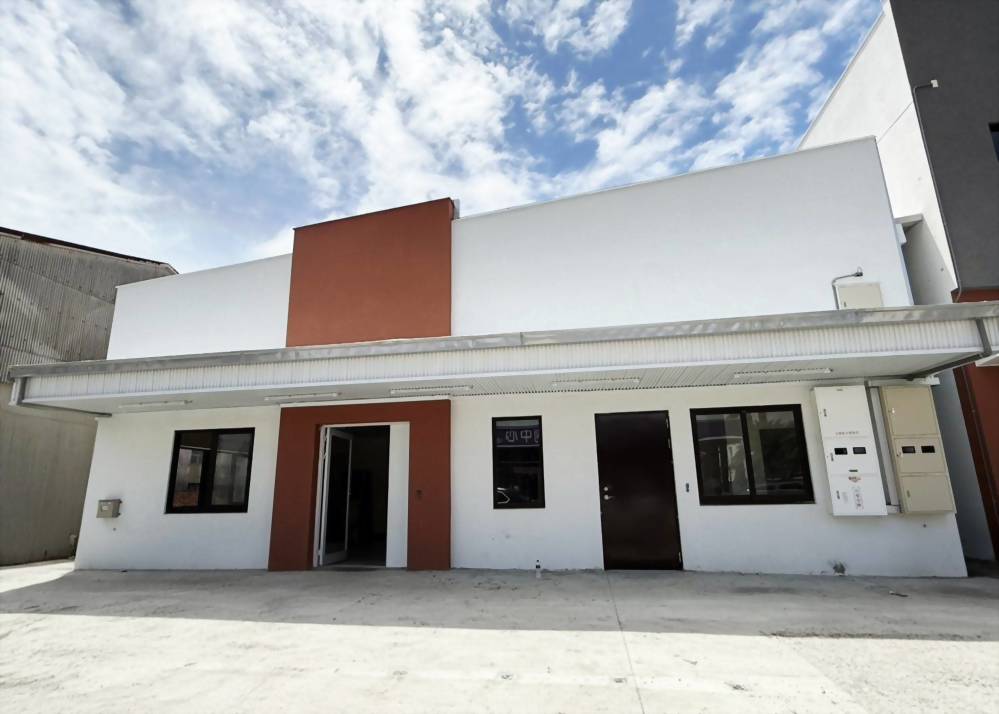
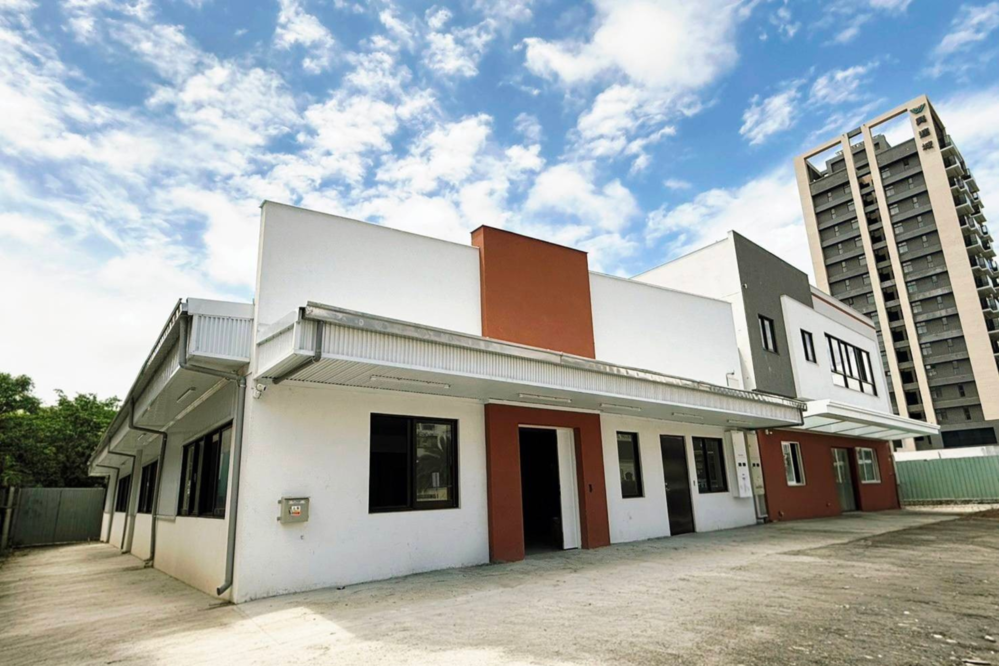
Renwu District Residential Design
Kaohsiung Renwu — Old Building Exterior Wall Renovation
What's your home's current condition? Match it first, then decide what to do.
Kaohsiung Renwu: intense heat × strong sun × salt air × typhoon season rain — your exterior walls age faster every year. Without a proper assessment before renovation, no amount of money will fix the root problem.
Match Your Home's Problem First
| What You're Seeing | What It Means | What Needs to Be Done |
|---|---|---|
| Wall surface powdering / cracking | Old coating degraded, UV damage | High-pressure wash + primer repair + weatherproof coating |
| Paint bubbling / lifting | Excessive moisture or failed substrate | Breathable mineral coating or full waterproof base rebuild |
| Hollow sound when tiles are tapped | Adhesion failed — tiles will fall in a typhoon | Remove + re-tile with mechanical anchor bolts |
| Water leaking in through window frames or balcony | Old sealant failed, waterproofing joints compromised | Remove old sealant + backer rod + weatherproof silicone |
| Exposed rebar / rust streaks running down wall | Salt corrosion has reached the structural layer | Rust removal + anti-rust resin + mortar repair (non-negotiable) |
| Extremely hot indoors / severe west-facing sun | No insulation layer | Ventilated dry-cladding system or EIFS thermal insulation |
Before Work Begins — 4-Week Condition Assessment
Any contractor who quotes without doing an assessment first — pause before proceeding.
- Tile Hollow Rate — If over 10–15%, patching over won't work. Requires section re-tiling or full surface renewal.
- Crack Classification — Hairline cracks (<0.3mm): coating can handle. Wide or through-cracks: V-groove + resin fill required. Suspected structural cracks: a licensed structural engineer must assess first.
- Moisture Content Reading — Kaohsiung's rainy climate means wall moisture must be below 8–10% before any coating is applied. Above that, bubbling is guaranteed.
- Water Ingress Mapping — Most common entry points in Renwu: window frame corners, parapet walls, balcony slab joints, and pipe penetrations.
Ask the contractor for a written exterior wall inspection report — including hollow rate, crack classification photos, and moisture readings — before discussing any method.
5 Methods Compared — Find the Right Fit
A|High-Durability Elastic Coating System
Best for: cement-plaster walls, surface cracking, quick renovation Paired with: elastic leveling layer + fiberglass mesh + penetrating primer + UV-resistant topcoat ✔ Shortest timeline ✔ Best cost-performance ratio ✔ Waterproof + crack-resistant
B|Tile Partial Repair or Full Re-tiling
Best for: existing tile exterior walls where the owner wants to keep the tile finish Renwu standard method: elastic mortar + mechanical anchor bolts (dual-fix system) ⚠ Patching tiles without anchor bolts = putting new tiles over old problems. They will fall in a typhoon.
C|Stone-Texture Coating / Mineral Paint
Best for: stone-like appearance while controlling weight and cost Key feature: breathable, resists yellowing, refined finish ✔ Weatherproof ✔ No powdering ⚠ Sensitive to substrate moisture content — strict application discipline required
D|Dry-Cladding System (Fiber Cement Board / Aluminum Panel / Honeycomb Panel)
Best for: old buildings with extensive substrate issues + wanting simultaneous insulation Ventilation gap built in → moisture control + lower indoor temperature ✔ Wide appearance options ✔ Dry installation, weather-independent ✔ Replaceable and maintainable ⚠ Highest upfront cost — edge detailing and wind-pressure design must be done correctly
E|EIFS Composite Thermal Insulation System
Best for: energy efficiency upgrades, significantly reducing indoor heat Rock wool / insulation board + mesh reinforcement + decorative finish — renews flatness and insulation in one pass ✔ Noticeably cooler indoors in summer ✔ Comprehensive exterior wall protection ⚠ Requires professional design — waterproofing joints must be executed precisely
Standard 10-Step Construction Process
1.  Scaffolding setup (typhoon-season reinforced bracing + fall safety netting)
2.  High-pressure cleaning ≥150 bar (removes salt deposits, loose coating, oil film)
3.  Hollow tile removal + structural mortar / resin mortar patching
4.  V-groove crack cutting + epoxy resin / elastic resin injection fill
5.  Elastic leveling layer + full-surface fiberglass mesh reinforcement
6.  Penetrating primer coat (seals substrate, improves adhesion)
7.  Main coating applied in 2+ layers (per selected system)
8.  Anti-pollution transparent topcoat (optional — extends service life)
9.  Window frame and balcony corner sealing (metal strip + silicone)
10. Water-spray leak test at completion (30–60 min continuous, photo / video record required)
Timeline reference: 3–5 story buildings — approximately 2–6 weeks depending on area, weather, and method.
2026 Renwu Pricing Reference
| Method | Price per Ping (NTD) |
|---|---|
| High-durability elastic coating system | 600 – 1,500 |
| Stone-texture coating / mineral paint | 1,200 – 2,500 |
| Tile partial repair | 2,000 – 3,500 |
| Full tile removal + re-tiling | 3,500 – 6,500 |
| EIFS composite thermal insulation system | 5,000 – 10,000 |
| Dry-cladding panel system (incl. sub-structure) | 6,000 – 12,000 |
Figures above exclude separately calculated scaffolding, height surcharges, and structural repair costs.
Check These 5 Points Before Final Sign-Off
- Visual inspection — Color inconsistency, drip marks, pinholes, uneven seam lines
- Coating thickness — Request dry film thickness spot-check data from the contractor
- Adhesion test — Cross-cut test (coatings) / pull-off test (tiles, cladding)
- Moisture re-check — Measure wall moisture again after completion to confirm no rebound
- Documentation — Completion photos, material warranty certificates, water-spray test video